




 Get a Free Estimate from Local Trusted Experts!
Beat the Summer Heat
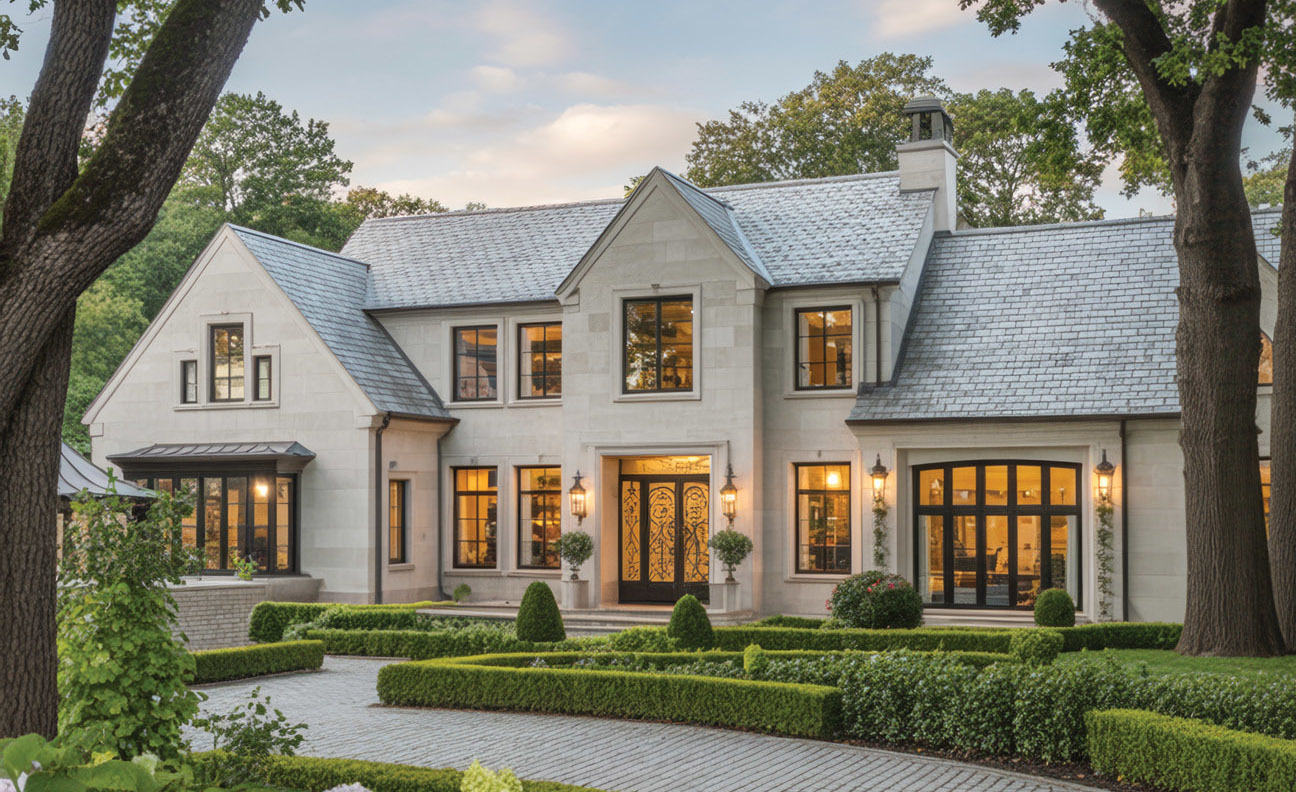
Summer is swiftly approaching, and with its sweltering heat and aggravating insects, it can be difficult to keep your outdoor living space the same throughout the upcoming months. To provide the best advice on landscaping tips, House and Home had the opportunity to speak with two local experts on how to maintain your landscape this summer season.
Choosing Suitable Flowers and Foliage
When driving through neighborhoods, one component that can always catch our eye is the beautiful flowers and shrubs homeowners place throughout their landscape. Vibrant marigolds, multicolor petunias, boxwood shrubs, hydrangeas and many other planting options are all popular picks to spruce up the exterior of the home. But where do you start when looking for the perfect ones to choose from?
Richard Cording, owner of CLC Landscape Design, says options like perennials are a great place to start. "Right now, the availability of perennials is just starting to come in," he says. "Something like catmint, which is one of those iron-clad perennials, blooms for months. Choreopsis is another great one that can grow in sunny locations and bloom for a lengthy period at a time."
If your area tends to get more direct sunlight, Cording recommends the new variety of Russian sage, which blooms for about two months. If you want something that blooms almost the entire length of the summer, he recommends roses and geraniums.
Chris DeMato, owner of Rock Bottom Landscaping & Fencing, says adding interest to your landscape is a must when it comes to plants. "Add a flowering tree, such as dogwood, redbud, serviceberry or flower and cherry," he says. "You can even expand with evergreen shrubbery, like boxwood, laurel, gold, cypress or juniper."
Avoiding Planting Problems
When it comes to planting, there are a couple of common mistakes that may occur. Underwatering and overwatering, not having the proper amount of soil to cover the roots and positioning plants in areas with little to no sunlight are among these problems, but are easily avoidable.
When it comes to keeping plants healthy and hydrated, some homeowners may have an irrigation system such as an irrigation controller, valves, drip tubing or sprinklers, which is usually the top option for plant care.
"If you have an irrigation system, that's the optimal way to keep plants hydrated," Cording explains. "Those without an irrigation system can mulch plants, keeping them hydrated as an alternative. With or without an irrigation system, mulching the plants is very beneficial—2 to 3 inches of mulch will help hold in moisture. It protects the roots from the summer heat, and prevents them from not only drying out, but it also keeps them at a more even temperature, ensuring the roots don't burn."
DeMato emphasizes how watering properly is very important, considering that most plants require close to 1 inch of water per week to thrive. "Deep watering, opposed to spraying, is better for plants, encouraging stronger root growth. With newer plants, they typically need a little bit more water during their first season," DeMato says. "Watering early in the morning is the best to reduce evaporation and fungal risks."
Battling Weeds and Pests
Weeds and insects will inevitably appear in your outdoor spaces, but there are ways to control the amount of both that emerge. "For controlling insects, the best thing to do is get a professional company to come in to diagnose," Cording says. "If people don't want to hire a professional company, then they should go to their local garden center or hardware store, read the labels and get informed on when to apply it."
DeMato adds, "Avoid over-fertilizing. Too much fertilizer can weaken plant roots or grass, making them more susceptible to pests and diseases."
For weed control, you want to make sure you are removing any unwanted plants to decrease their impact on the surrounding area. "You have to know when to do it at the right time—that's key," Cording states. "It's the same thing when you switch to garden beds. We do something called a spring cleanup where we prune all shrubs, weed all beds, edge and shape, then put down a granular weed preventative underneath the mulch."
"Regularly edge planting beds and hand-weed to keep roots healthy as well as maintaining a clean appearance," DeMato says.
Incorporate Structure and Function into Your Yard
Hardscaping isn't just about looks—it's about creating usable spaces and reducing maintenance.
"Adding hardscape to landscaping can provide interest while adding texture and functionality. Consider features like retaining or sitting walls, Belgian block for driveways or bed edging and other elements to introduce variety and structure," DeMato suggests.
Cording says, "The biggest hardscaping is always patios. Although a patio is the most popular we do, which also includes walls and walks, we feel strongly that a patio, which is an outdoor living space, should be designed."
A well-maintained landscape doesn't have to be all high-maintenance. By watering wisely, choosing the right plants, staying on top of weeds and pests and incorporating smart hardscaping, you can create a yard that's beautiful, functional and sustainable all summer long.
Resources
CLC Landscape Design
Ringwood, N.J.
(973) 832-1826
CLCDesign.com
Rock Bottom Landscaping & Fence LLC
Belle Mead, N.J.
(732) 873-6780
RockBottomLandscaping.net
Published (and copyrighted) in House & Home, Volume 26, Issue 1 (May/June 2026)
For more info on House & Home magazine, click here.
To subscribe to House & Home magazine, click here.
To advertise in House & Home magazine, call 888-202-5501.