


 Get a Free Estimate from Local Trusted Experts!
New Season, New Landscape
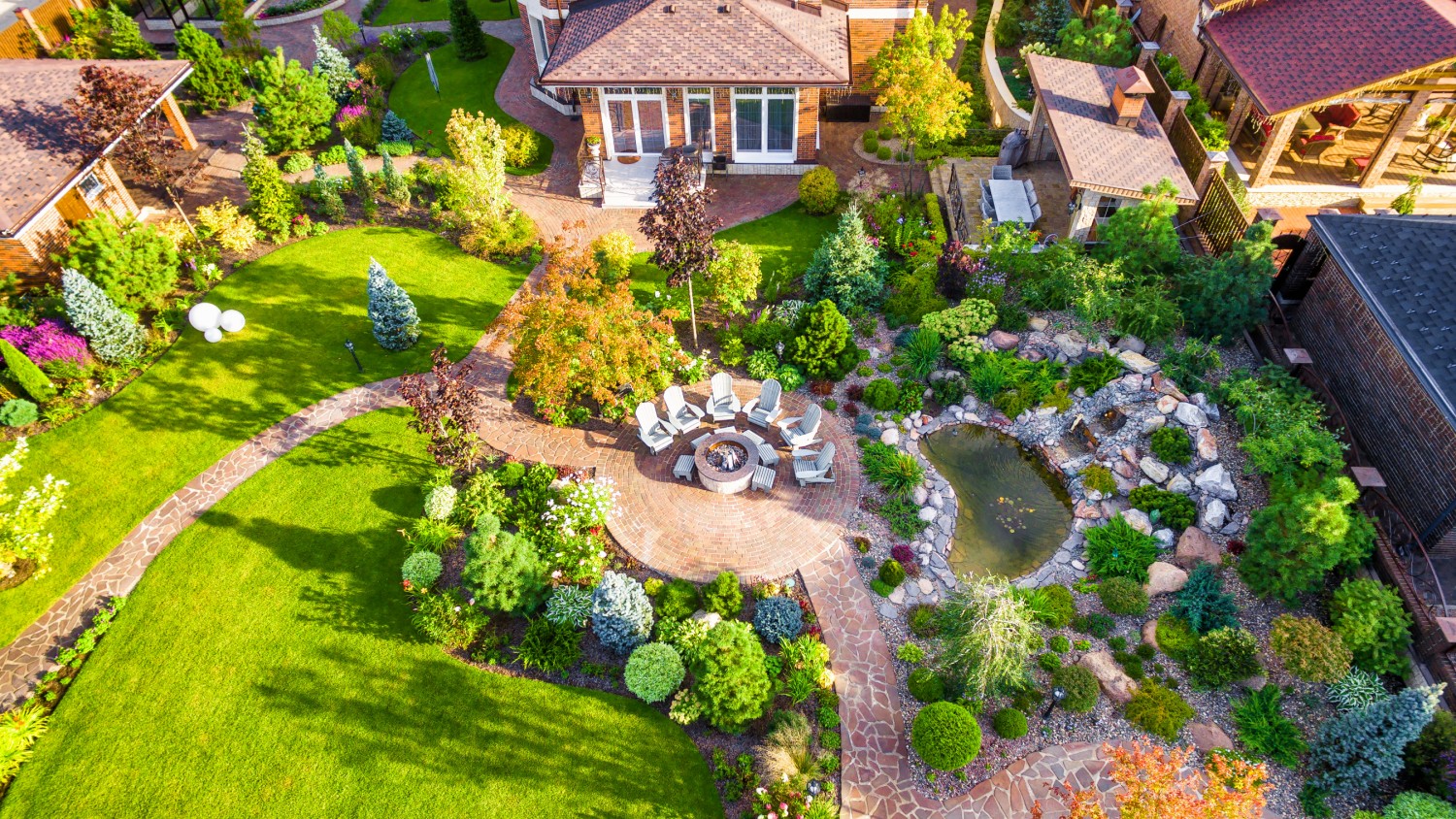
With spring just around the corner, many homeowners should start thinking about refreshing their landscape to make the most of the warmer months ahead. But knowing when to get started, what to prioritize and how to avoid mistakes can make all the difference in a finalized outdoor space. From soil preparation to the overall look, timing and knowledge matters, so utilizing a landscape expert is key in achieving the perfect outdoor space for spring.
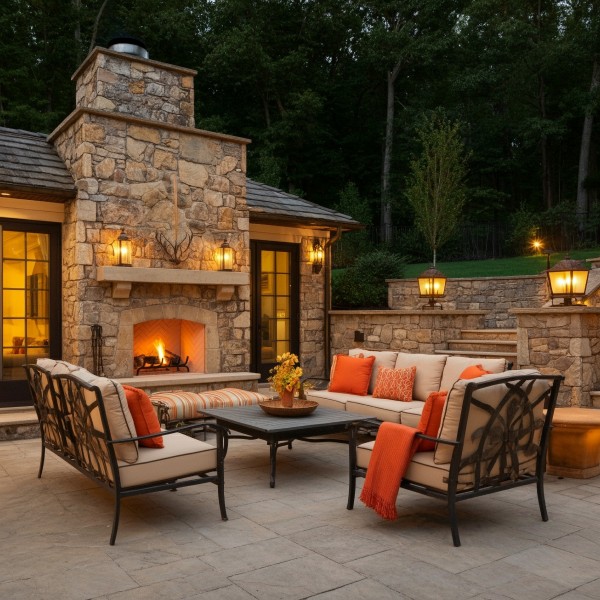 00To help homeowners with spring landscape designs, House & Home spoke with local experts about the most effective ways to get an outdoor area ready for the upcoming season.
Timing is everything
It is important to get a head start on spring landscaping to ensure everything is ready in time. Earlier preparation gives homeowners and professionals enough time to figure out designing, spacing and features that would work the best. Many experts say the best time to start preparing is in late winter, which allows plenty of time for homeowners to plan without the need to rush.
"As far as anybody who wants to add a patio, plantings, a shade structure, lighting—anything—start planning as soon as possible," says Richard Cording, owner of CLC Landscape Design. "I would call a landscape architect and start on a landscape design, because between getting the design ideas worked out and getting the permits, it takes months. It's not like you can call somebody in April and have your patio put in for May."
Knowing when you want to start a spring landscaping project is important when it comes to the designing aspect as well. Homeowners shouldn't plan without first having an idea of what they want their landscape to look like.
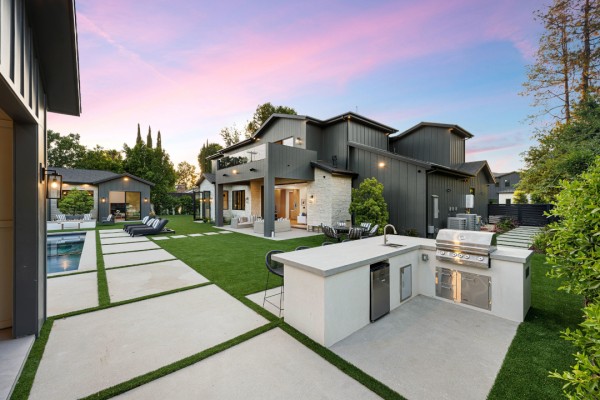 "The first task should be gathering inspiration for your project," Greg Chakar, president of Arborvine Landscaping says. "Whether that is photos of other projects, or just materials, this initial vision allows us to collaborate with our clients and create a cohesive plan that integrates their lifestyle and design preferences seamlessly."
Homeowners should also know that when redoing an outdoor space, it's important to remove unwanted materials to make room for new improvements. Brian Gill, owner of Gill's Landscapings says, "The very first task we recommend is a thorough cleanup—removing leaves, branches and debris that have accumulated through fall and winter. This simple step gives you a clean slate, helps prevent mold or rot, and makes it easier to evaluate which plants need pruning, replacing or extra care heading into spring."
Avoiding errors
With any outdoor project, it can be easy to make mistakes along the way without the proper knowledge. Starting too late, over-mulching and skipping crucial steps are all common missteps made by homeowners.
Chris DeMato, owner of Rock Bottom Landscaping & Fencing, says, "Landscape design is an aspect of your home that can increase the value by as much as 20%. And I do understand homeowners will sometimes do their own gardening and maintenance in their yard, but I strongly recommend meeting with a professional when planning your design."
Making sure homeowners and professionals have enough time to brainstorm and finalize the end result is essential too.
"Many homeowners will put off a project until the spring, but understand the mess that occurs on the property after a winter thaw," says George Mihalchick, owner of Ponds by George. "Then when spring rains start, the mess can get even worse. This can cause delays on the project and possible changes and additional costs. Don't be afraid to have a project started in the late season. This way, you can enjoy it starting fresh for the new season and watch everything fill in."
When it comes to budgeting, clarity from the very beginning makes the biggest difference when planning a landscaping project. Oftentimes, projects begin with an estimated idea or even a lack of investment, which can limit creative control of the project.
"A mistake we see is the lack of a clear budget and budget transparency. We can not only use this information to suggest phases for the project to fit within budgets, we can also guide you through different material options and installation practices that will best suit your budget. Without this transparency, our design consultants become limited in ways we can adjust and customize design plans and proposals," says Chakar.
 What's trending
From eco-friendly features to outdoor spaces designed for hosting, there are always trends that homeowners gravitate toward, reflecting practicality and personality.
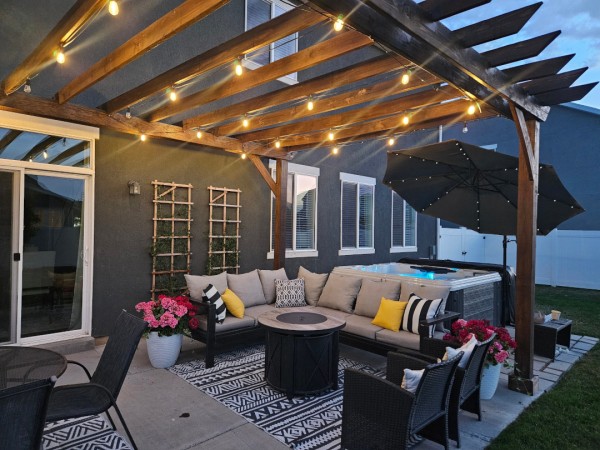
"I would say two of the most common requests we get as landscape architects is to design fire pit areas," says Cording. "We've also been designing a ton of pavilions and pergolas. Pavilions have a solid permanent roof, and a pergola usually has what's called a louvered roof where you can have it open and close."
"Texture-adding hardscaping, walkaways, stones and boulders can add great interest to your design," adds DeMato.
Today's designs also favor environmentally friendly features to help create a space where homeowners can unwind and entertain. "Native plants, pollinator-friendly gardens and blended natural stone are extremely popular. We're also seeing more interest in outdoor living spaces—fire features, outdoor kitchens and integrated lighting that extends the usability of the yard. Modern, clean-line plantings with year-round texture are also trending," Gill says.
Outdoor spaces have always been a space focused on relaxation and leisure time. Homeowners are now looking beyond the traditional layouts to create their own personalized areas.
"Outdoor saunas, plunge tubs and irrigated vegetable gardens are also becoming popular for the wellness minded homeowner. These all-inclusive spaces are coming together with finishing touches such as outdoor sound systems, landscape lighting and built-in heaters to ensure these spaces can be used day and night, year round, even in a northern climate," Chakar says.
Perennials vs. annuals
As you begin to plan a spring landscape project, one of the key decisions to make is whether to incorporate perennials or annuals. Understanding the two types, especially their appearance, how long they last and the maintenance required, can help homeowners develop a landscape that fits their aesthetic.
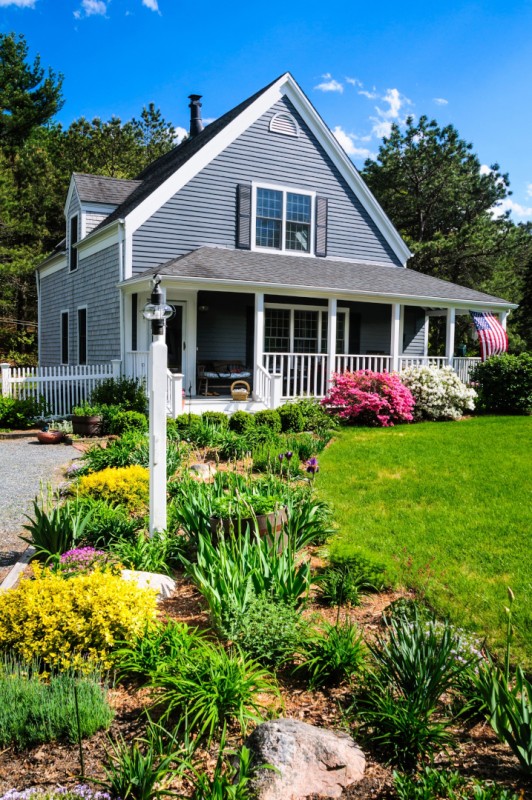 "It depends on their goals. Perennials are a great long-term investment because they return each year, grow fuller over time and require less frequent replacement," Gill says. "Annuals, on the other hand, offer richer, brighter color and the ability to change the look of your landscape seasonally."
While perennials and annuals both their own advantages, relying only on one can limit the overall impact of a landscape.
"You want both. Perennials, even though they come back every year, they don't last forever," Cording says. "Annuals are in bloom from May 1 to Nov. 1 or later on, whereas most perennials bloom for a month or two months. So you want to kind of have a combination of both."
From refreshing gardens to elevating outdoor living areas, the choices made when planning a spring landscaping project sets the scene for the rest of the spring season. By balancing visual appeal with practicality, homeowners can create an outdoor living area that reflects their personal style, while investing in a space that will grow each season to come.
RESOURCES
Arborvine Landscaping
Wilmington, Del.
ArborvineLandscaping.com
CLC Landscape Design
Ringwood, N.J.
CLCDesign.com
Gill's Landscaping
Mullica Hill, N.J.
GillsLandscaping.com
Ponds By George
Southampton, Pa.
PondsByGeorge.com
Rock Bottom Landscaping & Fencing
Belle Mead, N.J.
RockBottomLandscaping.net
Published (and copyrighted) in House & Home, Volume 25, Issue 11 (January/February 2026)